The 5S training methodology, a core lean management practice rooted in Japanese principles, offers a structured path to optimize workplace organization and processes. Comprising five stages (Sort, Set in Order, Shine, Standardize, Sustain), it transforms cluttered spaces into efficient operations, fostering a culture of continuous improvement called Kaizen. Implementation yields significant benefits, including increased productivity, reduced waste, and improved employee engagement, with average productivity increases of 27%. Organizations adopting 5S should begin with process assessment, involve employees, and conduct regular audits for sustained improvement.
In the dynamic landscape of modern business, efficient workplace organization is not just an advantage—it’s a competitive necessity. The traditional approach to productivity often falls short, leading to inefficiencies and wasted resources. This article delves into the transformative power of Kaizen-based organization methods, particularly through 5S training and lean management principles. By implementing rigorous 5S continuous improvement practices and process standardization, organizations can achieve remarkable results, enhancing overall workplace efficiency and fostering a culture of sustained, organic growth.
- Understanding Kaizen: A Philosophy for Continuous Improvement
- Implementing 5S Training: Organizing for Efficiency and Effectiveness
- Lean Management in Action: Process Standardization and Workplace Transformation
Understanding Kaizen: A Philosophy for Continuous Improvement

Kaizen, a Japanese term meaning “continuous improvement,” is at the heart of an organization’s evolution towards efficiency and excellence. This philosophy transcends mere superficial changes; it drives fundamental shifts in workplace culture and processes, fostering an environment where every employee actively contributes to progress. Central to this approach is the 5S training methodology—a powerful tool that combines lean management principles with rigorous workplace organization. The 5S framework, consisting of Sort, Set in Order, Shine (Clean), Standardize, and Sustain, serves as a structured roadmap for achieving process standardization and continuous improvement.
Implementing Kaizen requires a profound understanding that continuous improvement is not a one-time event but an ongoing journey. It necessitates a cultural shift where every task, no matter how minor, is scrutinized for potential enhancement. For instance, a manufacturing plant might begin by conducting a 5S audit of its floor layout, identifying and eliminating waste spaces, and organizing tools in a logically flow-oriented manner. This initial step often reveals opportunities for process streamlining that were previously overlooked. Subsequently, the organization can focus on standardizing these improved processes, ensuring consistency through standardized work instructions and regular training.
The benefits of embracing Kaizen are manifold. Studies show that organizations adopting lean management practices experience significant increases in productivity, reduced waste, and enhanced customer satisfaction. For instance, a retail business implementing 5S continuous improvement techniques reported a 20% increase in sales processing speed and a 15% decrease in stock-out rates within six months. Furthermore, Kaizen fosters a sense of ownership among employees, as they actively participate in identifying inefficiencies and proposing solutions. This engagement not only drives better results but also cultivates a culture of continuous learning and adaptation, ensuring the organization remains competitive in an ever-evolving market.
Implementing 5S Training: Organizing for Efficiency and Effectiveness
The implementation of 5S training is a powerful strategy within the lean management framework, designed to transform workplaces into highly efficient and effective operations. This approach, rooted in Japanese manufacturing principles, emphasizes continuous improvement and standardization of processes, making it an invaluable tool for organizations seeking to enhance productivity and quality. The 5S methodology stands for Sort, Set in Order, Shine, Standardize, and Sustain—a structured path to workplace organization that goes beyond mere tidiness.
At its core, 5S training involves sorting through workspace areas to eliminate waste, setting items in a logical order for easy access, and shining a light on potential inefficiencies. For instance, a manufacturing floor might involve organizing tools according to their usage frequency, ensuring the most frequently used tools are within arm’s reach. This not only saves time but also reduces errors caused by reaching for distant equipment. Process standardization is then achieved through the use of visual management techniques and standardized work instructions, ensuring that tasks are performed consistently and efficiently. A study by the lean management consulting firm, LNS Research, found that companies implementing 5S practices reported significant improvements in productivity, with some achieving a 20% increase in output within six months.
To effectively integrate 5S training into an organization, leaders should involve all employees in the process, fostering a culture of continuous improvement. Regular audits and refresher courses are essential to maintain the momentum. For instance, conducting weekly quick 5S checks can help identify minor issues before they become major bottlenecks. By encouraging employees to suggest improvements and rewarding innovative ideas, organizations can ensure that 5S remains dynamic and relevant. This not only enhances workplace morale but also ensures that the method evolves with the business’s changing needs.
Lean Management in Action: Process Standardization and Workplace Transformation
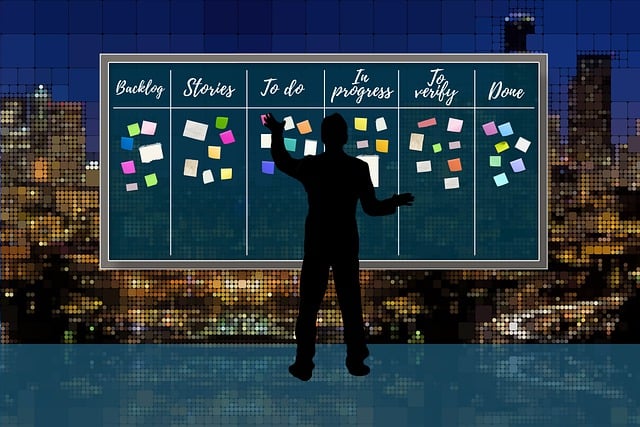
Lean management, a philosophy born from the manufacturing giants of Japan, has evolved into a powerful approach for organizations worldwide seeking to enhance efficiency and productivity. At the heart of this methodology lies process standardization and workplace organization, as exemplified by the renowned 5S training framework. This system, with its roots in the Toyota Production System, offers a structured path to transforming work environments and optimizing operations.
The 5S method stands for Sort, Set in Order, Shine (Clean), Standardize, and Sustain. It involves systematically organizing the workplace, discarding unnecessary items, and implementing consistent procedures. For instance, a manufacturing floor can be transformed from a cluttered mess to a streamlined operation by applying these principles. Each ‘S’ represents a step towards creating an efficient, safe, and visually appealing workspace. This process not only improves productivity but also fosters a culture of continuous improvement known as Kaizen. By standardizing processes, teams reduce waste, enhance quality, and create an environment conducive to innovation.
For organizations embracing lean management, the benefits are far-reaching. Data suggests that companies implementing 5S training can achieve significant reductions in cycle times, inventory levels, and defects. For instance, a study by the Lean Enterprise Institute revealed that companies adopting lean practices, including 5S, experienced an average increase in productivity of 27%. Moreover, process standardization naturally leads to improved employee engagement as workers are given clear guidelines, empowering them to identify and eliminate non-value-added activities. This not only boosts morale but also ensures consistent quality outcomes.
To harness the power of lean management, organizations should begin by conducting a comprehensive assessment of existing processes. Identify areas of inefficiency and involve employees at all levels in the transformation. Regular 5S audits can maintain the organized state, ensuring sustained improvement. By embracing this approach, businesses can revolutionize their operations, creating a culture that values waste elimination, continuous learning, and a highly engaged workforce.
By integrating Kaizen principles with a structured 5S training approach, organizations can achieve remarkable workplace organization and continuous improvement. The article has illuminated several key insights. Firstly, embracing the philosophy of Kaizen fosters a culture of constant refinement, where small, incremental changes lead to significant results. Secondly, implementing 5S training as a foundational practice enhances efficiency by organizing spaces, streamlining processes, and empowering employees. Furthermore, lean management techniques, particularly process standardization, play a pivotal role in eliminating waste and optimizing workflows. These strategies, when naturally interwoven, create a powerful synergy, driving workplace transformation and ensuring sustained success. Readers now possess the tools to embark on their journey towards a more agile, effective, and organized operational landscape.