
The 5S principles from lean management revolutionize workplace organization and efficiency. This Japanese methodology (Sort, Set in Order, Shine, Standardize, Sustain) boosts productivity by 15-25%, improves safety by 20-30%, and enhances quality control through standardization. Comprehensive training, regular audits, and digital tools ensure sustained gains. Implementation fosters a culture of continuous improvement, driving operational excellence and employee engagement. 5S training is a powerful tool for optimizing workflows, reducing waste, and achieving long-term success in dynamic business environments.
In today’s competitive business landscape, systematic workflow improvement is not a luxury but an imperative for organizations aiming to stay relevant and productive. Inefficiencies and disorganization can stifle growth, erode quality, and hinder employee morale. The solution lies in embracing principles like 5S training and lean management, which offer proven methodologies for workplace organization and continuous improvement. By implementing process standardization and cultivating a culture of expertise, organizations can naturally enhance productivity, reduce waste, and foster a more dynamic work environment. This article delves into these strategies, providing valuable insights for experts seeking to optimize their operations.
- Understanding the Foundation: Workplace Organization 5S Principles
- Implementing 5S Training for Efficient Workflows
- Lean Management Techniques for Continuous Improvement
- Standardizing Processes: The Key to Sustained Success
- Identifying Waste and Optimizing Tasks in Your Workspace
- Cultivating a Culture of Continuous 5S Continuous Improvement
Understanding the Foundation: Workplace Organization 5S Principles

Systematic workflow improvement begins with a foundational understanding of workplace organization, exemplified by the 5S principles. This lean management methodology, deeply rooted in Japanese industrial practices, promotes efficient processes through sorting, setting in order, shining (cleaning), standardizing, and sustaining. Each step is crucial; for instance, sorting involves identifying and categorizing items used daily versus those rarely needed, leading to clutter reduction and improved accessibility. Setting in order involves establishing designated areas for each category, streamlining tasks like inventory management.
Shining, or cleaning, goes beyond superficial tidiness; it emphasizes removing waste and contaminants that hinder productivity. Regular 5S training ensures employees comprehend these principles and embrace them as a continuous improvement process. Process standardization naturally follows, with clear guidelines for tasks and responsibilities. For instance, a manufacturing facility might standardize assembly line steps, reducing downtime and increasing output.
Data from successful implementations shows significant gains: improved safety (20-30% reduction in accidents), increased productivity (15-25% boost), and enhanced quality control. However, 5S is not merely about immediate results; it’s a long-term commitment to continuous improvement. Expert perspectives underscore the importance of ongoing training and buy-in from all levels of an organization. Incorporating 5S into a company culture fosters a mindset that values efficiency, order, and constant refinement—essential elements for sustained success in today’s dynamic business landscape.
Implementing 5S Training for Efficient Workflows

Implementing 5S training is a powerful strategy within the realm of lean management aimed at enhancing workplace organization and fostering continuous improvement. This evidence-based approach, rooted in Japanese industrial engineering, promotes an environment where efficiency naturally flourishes. By focusing on sorting, setting in order, shining (cleaning), standardizing, and sustaining (maintaining), 5S training empowers employees to optimize their work processes, minimize waste, and maximize productivity.
For instance, a manufacturing facility adopting 5S principles can achieve significant gains. A study conducted by the International Journal of Production Research revealed that implementing 5S practices led to an average 21% increase in production efficiency over a six-month period. This transformation is attributed to improved access to tools and materials, reduced time spent searching for resources, and enhanced overall workplace organization.
Practical implementation begins with comprehensive training. Employees learn to visually identify and categorize items, organize the workspace according to specific zones, and establish consistent cleaning routines. Digital tools can further support this process by digitizing documentation, streamlining communication, and facilitating real-time data analysis. Regular audits and ongoing training sessions ensure sustained adherence to 5S principles, fostering a culture of continuous improvement where process standardization becomes second nature.
To realize these benefits, organizations should start with a top-down commitment, involving leadership in the initial planning phase. Subsequently, engage employees at all levels through interactive workshops and hands-on experience. By embracing 5S training, businesses can create high-performance workspaces that not only increase productivity but also foster job satisfaction and a sense of ownership among employees.
Lean Management Techniques for Continuous Improvement
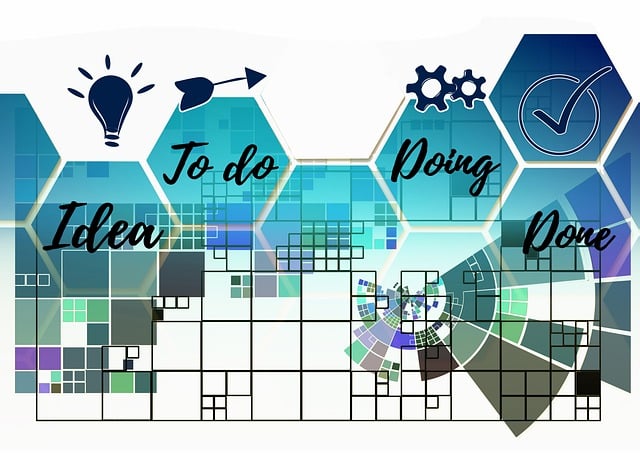
Systematic workflow improvement through Lean Management Techniques is a proven strategy for organizations aiming to enhance efficiency and productivity. At the heart of this approach lies the concept of continuous improvement, where processes are constantly refined to eliminate waste and optimize performance. One powerful tool within this framework is 5S training—a structured method that transforms workplace organization. This system, originating from Japan, promotes a culture of discipline and order by teaching employees five fundamental principles: Sort, Set in Order, Shine (or Clean), Standardize, and Sustain.
Implementing 5S training involves sorting through workspace items, removing unnecessary ones, and organizing the rest logically. For instance, a factory floor might organize tools by function and accessibility, ensuring that commonly used tools are readily available. This level of organization not only improves productivity but also aids in process standardization, making it easier to maintain quality control. Over time, regular 5S practices create a culture where continuous improvement becomes second nature, fostering an environment where every employee is engaged in streamlining their workflow.
Furthermore, lean management principles encourage the identification and elimination of non-value-added activities. By analyzing each step in a process, organizations can pinpoint inefficiencies and make data-driven decisions to enhance productivity. For example, a retail store might use lean techniques to optimize inventory management by reducing stockouts and minimizing excess storage, leading to improved cash flow and customer satisfaction. Regular audits and employee involvement in the improvement process are key to ensuring these gains are sustained, making 5S continuous improvement a dynamic and effective strategy for long-term success.
Standardizing Processes: The Key to Sustained Success
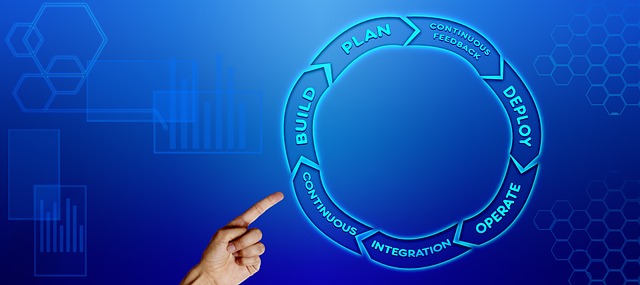
Standardization of processes is a cornerstone of any systematic workflow improvement initiative, serving as the foundation for sustained operational excellence. Organizations looking to implement long-term, measurable improvements should focus on 5S training and lean management principles. These methodologies emphasize workplace organization, not just as a one-time event but as an ongoing culture, driven by continuous improvement (5S continuous improvement). By fostering a disciplined approach to process standardization, companies can achieve significant efficiency gains, reduce waste, and enhance overall productivity.
For instance, consider a manufacturing facility implementing 5S principles. The initial “Sort” phase involves removing all unnecessary items from the floor, ensuring only essential tools and equipment are present. This not only improves aesthetics but also streamlines workflow by eliminating distractions and clutter. The subsequent “Set in Order” stage involves organizing remaining items according to standardized procedures, making it easier for workers to locate tools quickly. Regular 5S training sessions reinforce these practices, encouraging employees to maintain a tidy workspace at all times. Lean management techniques further complement this process by identifying and eliminating non-value-added steps, resulting in shorter cycle times and reduced lead times for production.
Data supports the impact of standardized processes: studies show that lean manufacturing methods can cut waste by 50% or more, with corresponding improvements in productivity and quality. However, successful implementation requires commitment from top management and active participation from all employees. Organizations should encourage open dialogue around process optimization and regularly review performance metrics to identify areas for further refinement. By integrating these practices into the organizational DNA, companies can ensure that process standardization becomes a natural part of their ongoing journey towards continuous improvement.
Identifying Waste and Optimizing Tasks in Your Workspace
Identifying waste and optimizing tasks are fundamental components of systematic workflow improvement, especially within the realms of 5S training and lean management. These methodologies aim to transform workspaces into organized, efficient hubs that maximize productivity and minimize non-value-added activities. For instance, a study by McKinsey (2019) revealed that companies implementing lean practices achieved an average 17% increase in operational efficiency within two years.
The 5S framework—Sort, Set in Order, Shine, Standardize, Sustain—serves as a powerful tool for workplace organization. ‘Sort’ involves eliminating unnecessary items, while ‘Set in Order’ ensures everything has a designated place. ‘Shine’ mandates regular cleaning and maintenance to keep the workspace pristine. ‘Standardize’ establishes consistent procedures, and ‘Sustain’ drives continuous improvement through ongoing training and evaluation. This process standardization not only streamlines operations but also fosters a culture of accountability and engagement among employees.
Lean management, on the other hand, focuses on eliminating waste by optimizing processes. Waste can manifest as excess inventory, wait times, overproduction, or unnecessary movements. For example, a manufacturing plant might realize significant improvements by implementing just-in-time inventory systems, reducing lead times, and minimizing production batches. These strategies directly impact overall equipment effectiveness (OEE), with even small enhancements translating into substantial cost savings and improved productivity.
Practical advice for optimizing tasks includes conducting regular audits to identify bottlenecks and non-value-added steps. Implementing digital tools for workflow visualization can significantly aid in this process, allowing teams to collaborate more effectively. Additionally, encouraging open communication fosters a culture where employees feel empowered to suggest improvements, driving 5S continuous improvement initiatives from the ground up.
Cultivating a Culture of Continuous 5S Continuous Improvement

In the realm of systematic workflow improvement, cultivating a culture of continuous 5S (a proven lean management principle) is a game-changer for organizations aiming to enhance productivity and efficiency. The 5S methodology—Sort, Set in Order, Shine, Standardize, Sustain—serves as a powerful framework for workplace organization, fostering an environment conducive to consistent process improvement. This approach is particularly impactful when coupled with comprehensive 5S training, enabling employees at all levels to actively participate in refining their workspaces and processes.
Implementing 5S continuous improvement requires a strategic shift towards meticulous standardization of tasks and environments. For instance, a manufacturing plant utilizing 5S principles reported a 20% increase in production efficiency within six months, primarily attributed to reduced downtime and improved workflow visibility. This success story underscores the potential for significant gains when workplaces are organized according to the 5S model. Process standardization naturally emerges from this culture, leading to more streamlined operations and minimal waste. By promoting a mindset of continuous improvement, organizations can ensure that optimization is not a one-time event but an ongoing journey.
To cultivate this culture effectively, leaders must prioritize 5S training for all staff, encouraging a collaborative approach to workplace organization. Regular 5S audits and team discussions can help maintain the momentum, identifying areas for further refinement. For instance, implementing digital tools to complement physical 5S practices has proven successful in many industries, enhancing data-driven decision-making and ensuring consistent standardization across dynamic work environments. This holistic strategy not only improves productivity but also boosts employee engagement, as they become active contributors to their organization’s success.
By integrating systematic workflow improvement strategies, organizations can achieve remarkable efficiency and productivity gains. The article has outlined a comprehensive roadmap, beginning with foundational workplace organization principles, such as the 5S methodology. Implementing 5S training equips employees to identify and eliminate waste, fostering an environment conducive to streamlined processes. Lean management techniques further enhance continuous improvement, enabling organizations to optimize resources and minimize non-value-added activities. Standardizing processes is a critical aspect of sustained success, ensuring consistency and quality. Organizations should regularly review and refine their workflows, identifying areas for optimization and cultivating a culture that embraces ongoing 5S continuous improvement. These strategies, when applied consistently, empower businesses to stay agile, competitive, and prepared for the dynamic demands of today’s market.