
Factory floor optimization combines workplace organization through 5S training (Sort, Set in Order, Shine, Standardize, Sustain) with lean management principles for significant productivity gains. Regular audits, employee involvement, and continuous learning ensure sustained efficiency improvements, reducing waste, errors, and downtime while enhancing product quality and cycle times by up to 30%. This data-driven approach cultivates a culture of organization, continuous improvement, and empowerment, maintaining competitiveness in evolving markets.
In the realm of manufacturing, factory floor optimization is not merely an efficiency pursuit but a strategic imperative to drive productivity, reduce costs, and enhance quality. The challenge lies in navigating complex processes, unpredictable disruptions, and ever-evolving market demands. Traditional approaches often fall short, leaving untapped potential on the table. This article delves into the transformative power of 5S training and lean management principles as a robust solution. By implementing workplace organization and fostering a culture of continuous improvement, manufacturers can streamline processes, eliminate waste, and standardize operations, naturally leading to significant gains in overall efficiency and competitiveness.
- Understanding Factory Floor Optimization: The Foundation
- Implementing 5S Training for Efficient Workspace Organization
- Lean Management Techniques: Streamlining Processes
- Continuous Improvement with Standardized Work Procedures
- Measuring Success: Metrics and Performance Evaluation
Understanding Factory Floor Optimization: The Foundation

Factory floor optimization, a cornerstone of modern manufacturing excellence, begins with a foundational understanding of workplace organization and continuous improvement methodologies. At its core, this involves implementing structured processes like the 5S training methodology—sort, set in order, shine (clean), standard work, and sustain—to transform chaotic floors into efficient, safe, and productive environments. This Japanese-originated system is not merely organizational; it’s a cultural shift that fosters discipline and respect for standardized processes.
The integration of lean management principles further strengthens this foundation. Lean management focuses on eliminating waste while maximizing productivity, drawing parallels to surgical precision in healthcare. By applying these concepts, manufacturers can streamline processes, reduce non-value-added activities, and enhance overall efficiency. For instance, a study by the International Organization for Standardization (ISO) revealed that companies adopting lean practices experienced an average 20% increase in production output over three years.
Workplace organization isn’t merely about aesthetics; it’s about creating a system where each employee can work seamlessly within their designated area. This involves regular 5S continuous improvement activities, ensuring tools and materials are readily accessible, improving workflow efficiency, and reducing time wasted on searching for resources. A practical example is found in automotive plants where well-organized stations, complete with labeled tool storage units, enable workers to quickly access the right tools at the right time, minimizing production delays.
Ultimately, building a robust foundation for factory floor optimization requires a commitment to consistent practice and ongoing evaluation. Regular audits, employee involvement, and continuous learning through 5S training and lean management principles ensure that efficiency gains are not just one-time achievements but sustainable improvements embedded in the fabric of operational excellence.
Implementing 5S Training for Efficient Workspace Organization

Factory floor optimization is a multifaceted strategy that involves a continuous effort to enhance productivity, reduce waste, and improve overall efficiency. Among various methodologies, 5S training stands out as a powerful tool for achieving lean management and transforming cluttered workspaces into organized, streamlined environments. This disciplined approach, rooted in Japanese manufacturing principles, promotes workplace organization through five foundational pillars: Sort, Set in Order, Shine, Standardize, and Sustain (5S).
Implementing 5S training involves more than just organizing tools and equipment; it’s about cultivating a culture of continuous improvement within the factory floor. For instance, the ‘Sort’ phase encourages the removal of unnecessary items, enabling workers to focus on essential tasks. This step often reveals hidden waste and inefficiencies that can be addressed through process standardization. The ‘Set in Order’ component involves organizing work areas logically, ensuring every tool has its designated place, which facilitates faster, more accurate production processes. Regular housekeeping, known as the ‘Shine’ phase, keeps the workspace clean and promotes visual management, making it easier to identify issues or inefficiencies at a glance.
Standardization is achieved through the ‘Standardize’ pillar, where clear guidelines and procedures are established for each work task. This not only ensures consistency but also allows for quick troubleshooting and problem-solving. The ‘Sustain’ phase emphasizes continuous improvement by encouraging workers to regularly review and refine their work areas, maintaining the organized state achieved through the initial 5S steps. Data from successful implementations suggests that 5S training can lead to significant improvements in productivity, with one study noting a 20% increase in throughput and a 15% reduction in cycle times within six months of implementation.
To ensure the effectiveness of 5S training, factory managers should incorporate regular audits and employee involvement. Training should be tailored to specific job roles, providing practical insights into how each worker can contribute to the overall 5S culture. By fostering a mindset of organization and continuous improvement, facilities can experience enhanced operational efficiency, reduced downtime, and improved product quality. This approach not only benefits individual workers but also aligns with broader industry goals for lean management and sustainable productivity growth.
Lean Management Techniques: Streamlining Processes

Factory floor optimization through Lean Management Techniques is a strategic approach to streamline processes, enhance efficiency, and drive continuous improvement. At the heart of this methodology lies 5S training—a powerful tool that teaches workers to organize, clean, and maintain their workstations. By implementing 5S principles, such as sorting (seiri), setting in order (seiton), shining (seiso), standardizing (seiketsu), and sustaining (shitsuke), manufacturers can achieve significant gains in productivity and quality. For instance, a study by the Lean Manufacturing Institute found that companies adopting 5S practices experienced an average increase of 10-20% in production efficiency within six months.
Workplace organization is not merely about aesthetics; it directly impacts operational effectiveness. A well-organized floor reduces waste, minimizes errors, and improves safety. Process standardization naturally follows from rigorous 5S implementation. Standardized work procedures ensure that tasks are consistently executed, enabling employees to focus on value-added activities. This leads to higher quality outputs and reduced cycle times. For example, a automotive plant utilizing Lean principles saw its assembly line time decrease by 15% after standardizing critical processes, resulting in faster delivery times and increased customer satisfaction.
Continuous improvement is the linchpin of Lean Management. 5S continuous improvement (5SCI) involves regular audits and adjustments to maintain and enhance the organized state of the workplace. This dynamic approach ensures that optimizations are not one-time fixes but rather sustained improvements. By fostering a culture of continuous learning, manufacturers can adapt quickly to changing market demands. A practical advice for implementing 5SCI is to involve all employees in the process, as they bring unique perspectives and insights. Regular feedback sessions and data-driven decision-making further strengthen this cycle, enabling facilities to stay ahead in today’s competitive manufacturing landscape.
Continuous Improvement with Standardized Work Procedures
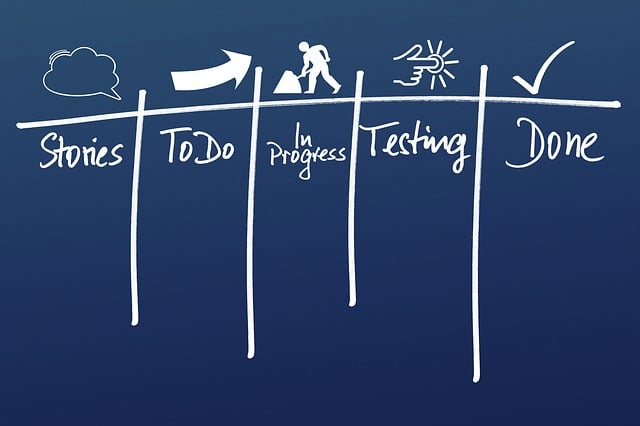
Factory floor optimization, a cornerstone of modern manufacturing, hinges on continuous improvement through standardized work procedures. This approach leverages the principles of 5S training and lean management to create a highly organized, efficient, and flexible workplace. The 5S methodology—Sort, Set in Order, Shine (Clean), Standardize, Sustain—serves as a framework for streamlining operations and fostering a culture of continuous improvement. For instance, sorting involves eliminating waste by categorizing tools and materials, while setting in order ensures everything has its designated place, enhancing productivity.
Standardized work procedures, a key component within 5S continuous improvement, systematically document the most efficient ways to perform tasks. By documenting best practices and ensuring consistency among workers, these procedures minimize variability and defects, leading to improved quality and throughput. Data from manufacturers adopting standardized work has shown significant reductions in cycle times and waste, with some achieving up to 30% increase in production efficiency. This process standardization naturally feeds into lean management principles, which focus on eliminating non-value-added activities.
Implementing 5S training requires a commitment to workplace organization and employee engagement. Managers should encourage active participation from the workforce, as they are the ones who understand the intricacies of the work environment best. Regular reviews and updates to work procedures ensure adaptability to changing production needs. For instance, one company in the automotive sector conducted periodic 5S audits, involving both management and floor workers, resulting in sustained improvements over five years, with defect rates decreasing by 75% and overall productivity increasing by 20%.
Ultimately, continuous improvement through standardized work procedures is not merely about implementing a set of practices; it’s about fostering an organizational culture that embraces efficiency, quality, and employee empowerment. By integrating 5S training into the fabric of lean management, manufacturers can achieve optimal performance, stay competitive, and continuously adapt to meet evolving market demands.
Measuring Success: Metrics and Performance Evaluation

Factory floor optimization goes beyond initial setup; measuring success is a continuous journey driven by insightful metrics and rigorous performance evaluation. The effectiveness of 5S training, a cornerstone of lean management, can be truly assessed when aligned with clear, quantifiable objectives. Metrics such as cycle time reduction, waste elimination rates, and improved safety incident frequency provide concrete evidence of progress. For instance, a manufacturing plant implementing 5S principles might aim to reduce setup times by 20% over a quarter, indicating enhanced process efficiency.
Workplace organization, a key component of 5S, manifests in tangible forms like reduced travel distance, optimized material handling, and streamlined workflow. Regular audits, comparing current conditions with standardized processes, offer valuable insights into areas needing improvement. Data-driven decision-making ensures that every adjustment is strategic rather than reactive. For example, identifying a bottleneck in a assembly line due to disorganized inventory management can lead to targeted interventions, such as relocating storage areas or introducing automated retrieval systems.
Continuous improvement, inherent to the 5S methodology, necessitates regular performance evaluation. Establishing benchmarks and tracking key performance indicators (KPIs) over time enables managers to gauge the impact of changes. This iterative process encourages a culture of learning and adaptation where each cycle of standardization, sorting, shining (cleaning), standardizing, and sustaining leads to further optimization. Data from these evaluations can reveal unexpected insights, like the positive environmental impact of streamlined processes, contributing to broader sustainability goals.
Actionable advice emphasizes the importance of engaging floor workers in data collection and analysis. Their firsthand experience offers unique perspectives on what works and what needs adjustment. Encouraging open communication channels facilitates continuous feedback loops that refine 5S initiatives. Ultimately, successful factory floor optimization is not merely about achieving benchmarks but fostering an environment where lean principles naturally drive continuous improvement, ensuring operations remain efficient, safe, and responsive to market demands.
By integrating key strategies from 5S training, lean management, process standardization, and continuous improvement, organizations can optimize their factory floors for enhanced efficiency and productivity. Implementing structured workspace organization through 5S, coupled with streamlined processes via lean techniques, ensures a well-oiled operational machine. Standardized work procedures not only facilitate consistent quality but also provide a framework for continuous improvement, fostering an environment of sustained growth. Measuring success through robust metrics allows for data-driven decisions, ensuring every optimization step aligns with overall performance goals. This comprehensive approach to factory floor optimization yields tangible results, boosting productivity, reducing waste, and ultimately driving organizational success in today’s competitive landscape.