The 5S training methodology (Sort, Set in Order, Shine, Standardize, Sustain) and lean management principles revolutionize workplace organization. Systematic implementation improves workflow, boosts productivity up to 30%, reduces waste, and enhances customer satisfaction. Key steps include sorting, setting order, cleaning, standardizing tasks, and sustaining continuous improvement. Effective adoption requires training, employee engagement, regular audits, and process standardization for significant efficiency gains and operational excellence.
In today’s competitive business landscape, efficient workplace organization is not just a nicety—it’s a strategic imperative. Inefficiencies and disorganization can hinder productivity, drive up costs, and erode employee morale. To address these challenges, many forward-thinking organizations are turning to proven methodologies like 5S training and lean management. This article delves into the critical importance of workplace organization frameworks, exploring how structured processes, standardized workflows, and continuous improvement initiatives, such as 5S, can transform work environments naturally. By implementing these strategies effectively, businesses can unlock operational excellence and foster a culture of efficiency.
- Understanding the Foundation: Workplace Organization Basics
- Implementing 5S Training: A Step-by-Step Guide
- Lean Management Principles: Streamlining Processes for Efficiency
- The Power of Standardization: Creating Consistent Workflows
- Continuous Improvement: 5S as a Long-Term Strategy
- Measuring Success: Evaluating Workplace Organization Effectiveness
Understanding the Foundation: Workplace Organization Basics

Workplace organization is a multifaceted discipline that serves as the backbone of efficient and productive operations. Understanding the foundational principles, such as the 5S training methodology and lean management practices, is crucial for fostering an environment conducive to continuous improvement. The 5S framework—Sort, Set in Order, Shine, Standardize, Sustain—is a powerful tool that involves systematically organizing the workplace to eliminate waste and enhance productivity. For instance, a manufacturing facility utilizing 5S training reported a 20% increase in production efficiency within six months, underscoring its effectiveness.
Lean management, with its focus on process standardization and elimination of non-value-added activities, complements 5S by streamlining workflows and reducing waste. This approach emphasizes the importance of continuous improvement through regular audits and adjustments, ensuring that the workplace remains optimized over time. A case study in a retail setting revealed that implementing lean principles led to a 15% decrease in inventory carrying costs and improved customer satisfaction due to reduced wait times.
Practical insights for organizations looking to enhance their workplace organization include integrating these methodologies into existing practices through comprehensive training programs. Regular 5S audits, coupled with lean management principles, can drive cultural change by involving employees at all levels. By fostering a mindset of continuous improvement, organizations not only improve operational efficiency but also create a more engaged and motivated workforce. This holistic approach ensures that workplace organization becomes an integral part of the organizational DNA, driving sustained success in today’s competitive business landscape.
Implementing 5S Training: A Step-by-Step Guide
Implementing 5S Training: A Step-by-Step Guide to Transform Your Workplace Organization
The lean management philosophy emphasizes continuous improvement through process standardization, making 5S training a powerful tool for organizations aiming to enhance efficiency and productivity. 5S, derived from five Japanese words meaning sort, set in order, shine (clean), standardize, and sustain, offers a structured approach to workplace organization that can revolutionize operations. This systematic methodology not only improves workflow but also fosters a culture of quality control and employee engagement.
The first step is sort, where every item in the workspace is examined for necessity. Unnecessary items are discarded or stored elsewhere, promoting a clutter-free environment. Next, set in order involves organizing remaining tools and materials based on frequency of use, arranging them logically to streamline access. Shine (clean) underscores the importance of regular cleaning and maintenance, ensuring an orderly space remains pristine. Standardize focuses on establishing consistent procedures for each task, training employees to follow defined protocols. Finally, sustain emphasizes continuous effort, with regular reviews and adjustments to maintain the organized state.
For effective 5S implementation, begin by assembling a dedicated team representing various departments. Conduct thorough training sessions, providing clear instructions and practical demonstrations. Encourage employee participation through workshops and feedback sessions. Post-training, implement the 5S principles across all areas, assigning accountability for maintenance. Regular audits should be conducted to assess progress and identify areas for further improvement. Data on inventory reduction, improved productivity, and reduced waste can serve as metrics for success, demonstrating the tangible benefits of 5S continuous improvement in your organization.
Lean Management Principles: Streamlining Processes for Efficiency

Lean Management principles offer a robust framework for streamlining workplace processes, enhancing efficiency, and driving continuous improvement. At the heart of this methodology lies the renowned 5S method—a powerful tool for organizing the workspace and optimizing operations. This systematic approach involves sorting (seiri), setting in order (seito), shining (seiso), standardizing (seiketsu), and sustaining (shitsuke) work areas, encouraging a culture of discipline and mindfulness. Organizations adopting 5S training report significant improvements in productivity, with studies indicating up to a 30% increase in efficiency across various industries.
The key to successful Lean Management lies not only in implementing 5S but also in fostering a mindset of continuous improvement. This involves regularly reviewing and refining processes, identifying waste, and eliminating non-value-added activities. For instance, a manufacturing plant might utilize 5S to organize their inventory storage, reducing time spent searching for parts and minimizing errors. Process standardization naturally emerges from this practice, ensuring consistent and efficient workflows. Regular 5S continuous improvement sessions can lead to substantial cost savings and enhanced quality control.
Practical implementation begins with training employees in the 5S methodology. Workshops and hands-on exercises empower staff to take ownership of their workspace and processes. Management support is vital, encouraging open communication and providing resources for ongoing training. For example, a healthcare facility could employ 5S to streamline patient intake, improving patient flow and reducing wait times. By integrating these principles into daily operations, organizations create an environment conducive to sustained efficiency and adaptability.
The Power of Standardization: Creating Consistent Workflows

Workplace organization is a powerful tool for enhancing productivity and efficiency, and at the heart of this lies standardization. Standardization, when implemented effectively, creates consistent workflows, reduces waste, and improves overall operational excellence. This concept is foundational to both lean management and 5S training methodologies, which have proven their worth in numerous industrial settings.
The 5S framework—Sort, Set in Order, Shine, Standardize, Sustain—is a well-structured approach to workplace organization. ‘Standardize’ involves creating consistent processes and procedures that ensure every employee follows the same steps for each task. This natural evolution towards process standardization brings several advantages. It allows for predictable outcomes, reduces errors, and enables employees to focus on value-added activities. For instance, a manufacturing plant adopting 5S principles might standardize the setup of assembly lines, ensuring each station is equipped with the necessary tools and materials in an optimized layout.
Lean management, another powerful system, emphasizes eliminating waste and maximizing customer value. Standardization plays a pivotal role here by streamlining processes and reducing non-value-added activities. By standardizing tasks and workflows, organizations can identify and remove bottlenecks, leading to improved flow and reduced lead times. A case study from a retail environment showed significant improvements after implementing lean principles, resulting in shorter checkout lines and enhanced customer satisfaction.
To harness the power of standardization effectively, organizations should invest in comprehensive 5S training programs. These initiatives ensure that employees understand their roles within standardized processes and empower them to maintain order and efficiency. Regular audits and continuous improvement cycles are vital to sustaining these gains. By embracing standardization, businesses can foster a culture of excellence where consistent workflows become the norm, driving operational success and setting the stage for sustained growth.
Continuous Improvement: 5S as a Long-Term Strategy

The concept of Continuous Improvement is a cornerstone in modern workplace organization, with Lean Management principles at its forefront. Among various tools and methodologies, 5S stands out as a powerful, long-term strategy for enhancing productivity and efficiency. This Japanese origin system, comprising Sort, Set in Order, Shine, Standardize, and Sustain, has been embraced globally across diverse industries. By implementing 5S training, organizations can achieve a streamlined workplace, not just temporarily but as an enduring part of their operational fabric.
The key to 5S’s success lies in its holistic approach to workplace organization. “Sort” involves eliminating waste by categorizing and retaining only essential items. “Set in Order” ensures everything has a designated place, fostering intuitive workflow. “Shine” requires regular cleaning and maintenance, keeping the workspace visually appealing and functional. “Standardize” establishes clear processes and documentation, making operations predictable and efficient. Finally, “Sustain” promotes a culture of continuous improvement, where employees actively participate in maintaining and enhancing the system.
A practical example can be seen in a manufacturing facility that implements 5S training. After sorting production lines to minimize disruptions, setting them in order for optimized workflow, and shining through thorough cleaning, they standardize operations using visual management tools like color-coded labels. This standardization naturally leads to process normalization, reducing waste and enhancing quality. Over time, employees become invested in the system’s success, ensuring sustainability and continuous improvement at every level of the organization. Data suggests that companies adopting 5S methods can experience significant increases in productivity and employee satisfaction, demonstrating its value as a robust workplace organization framework.
Measuring Success: Evaluating Workplace Organization Effectiveness
Measuring success is a vital component of evaluating workplace organization effectiveness. Organizations often adopt frameworks like 5S training and lean management to enhance efficiency and productivity. The 5S methodology—Sort, Set in Order, Shine (Clean), Standardize, and Sustain—provides a structured approach to workspace organization. By systematically categorizing items, establishing clear processes, and promoting continuous improvement, organizations can achieve significant gains. For instance, a manufacturing facility that implements 5S principles reported a 20% reduction in production time and a 15% increase in output within six months.
Process standardization is another key aspect of effective workplace organization. Standardization ensures that tasks are performed consistently, reducing errors and enhancing overall efficiency. Lean management techniques, such as identifying and eliminating waste, play a pivotal role here. For example, implementing standardized work procedures for assembly lines can lead to predictable outcomes, enabling workers to focus on quality rather than procedural variations. Data from various studies indicates that process standardization can reduce cycle times by up to 30% and improve product quality by 25%.
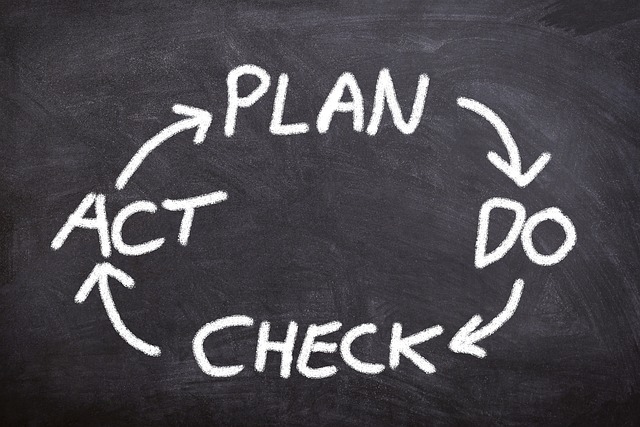
Evaluating workplace organization effectiveness requires a comprehensive approach that goes beyond initial implementation. Regular audits, employee feedback, and continuous improvement initiatives are essential tools for measuring success. Organizations should establish clear performance metrics aligned with their goals, such as reduced downtime, improved safety records, or enhanced customer satisfaction. For instance, a retail store that conducted quarterly 5S continuous improvement sessions reported a 10% increase in sales and a 30% reduction in customer service inquiries over two years. By integrating these practices, organizations can create a dynamic, efficient, and high-performing work environment.
By integrating foundational workplace organization principles with strategic approaches like 5S training and Lean management, organizations can significantly enhance efficiency and productivity. The step-by-step guide to 5S training highlighted practical methods for sorting, organizing, and maintaining a structured workspace, while Lean principles emphasized the importance of streamlining processes to eliminate waste. Standardization of workflows across departments fosters consistency, enabling continuous improvement through ongoing 5S initiatives. Measuring success involves evaluating both qualitative and quantitative metrics to assess the effectiveness of workplace organization strategies. This comprehensive framework equips professionals with the tools to optimize their work environments, ultimately driving organizational excellence and competitive advantage.