Systematic workflow improvement through 5S training and lean management principles optimizes business processes. The 5S method (Sort, Set in Order, Shine, Standardize, Sustain) streamlines operations, minimizing waste and establishing standardized practices. Lean management focuses on process standardization to reduce non-value-added activities, achieving significant cost savings up to 30%. Integrating these practices leads to enhanced workplace organization, productivity gains, and sustainable competitive advantages. Regular audits, continuous improvement, and data analysis are essential for maintaining results.
In today’s competitive business landscape, achieving operational excellence is not just an advantage but a necessity. Systematic workflow improvement through structured processes and organized work environments plays a pivotal role in enhancing productivity, reducing waste, and fostering innovation. The challenges lie in identifying inefficiencies and implementing sustainable solutions that align with lean management principles. This article delves into the power of 5S training and its integration with continuous improvement methodologies, offering a proven framework for transforming workplaces and driving long-term success through streamlined operations and exceptional organizational culture.
- Understanding Systematic Workflow Improvement: An Overview
- The Foundation: 5S Training for Workplace Organization
- Lean Management Principles: Streamlining Processes
- Standardization: Creating a Culture of Continuous Improvement
- Data-Driven Decisions: Measuring and Analyzing Performance
- Implementing Changes: Strategies for Long-Term Success
Understanding Systematic Workflow Improvement: An Overview

Systematic workflow improvement is a strategic approach to optimizing business processes, enhancing efficiency, and fostering a culture of continuous learning. At its core, this methodology leverages powerful tools like 5S training and lean management principles to achieve workplace organization on a granular level. The 5S method—Sort, Set in Order, Shine (Clean), Standardize, Sustain—is a proven framework for streamlining operations by eliminating waste and establishing standardized practices. For instance, a manufacturing facility might employ 5S to organize their shop floor, ensuring every tool and component has its designated place, thereby reducing setup times and enhancing productivity.
Lean management, another cornerstone of systematic workflow improvement, focuses on minimizing non-value-added activities. This involves process standardization to eliminate inefficiencies and create seamless workflows. For example, a logistics company could implement lean principles by standardizing order processing procedures, leading to faster turnaround times and improved customer satisfaction. Data from case studies shows that companies adopting lean management practices can achieve significant cost savings—up to 30% in some industries—by reducing waste and optimizing resources.
The synergy between 5S training and lean management drives continuous improvement initiatives. By integrating these methodologies, organizations cultivate a mindset of constant refinement, where each step in the workflow is scrutinized for potential enhancements. This holistic approach ensures that workplace organization becomes a natural part of the business culture, fostering an environment where every employee contributes to process optimization. In practice, this might involve regular 5S audits and continuous improvement meetings, where teams collaborate to identify and implement innovative solutions, ensuring sustained efficiency and adaptability in an ever-changing market.
The Foundation: 5S Training for Workplace Organization
The foundation of any successful systematic workflow improvement initiative lies in robust workplace organization, and at its core stands 5S training—a cornerstone of lean management principles. This transformative approach to workplace layout and process standardization not only enhances efficiency but also drives a culture of continuous improvement. Organizations like Toyota have successfully employed 5S for decades, achieving remarkable productivity gains by eliminating waste and streamlining operations.
A comprehensive 5S training program involves sorting (Seiri), setting in order (Seiton), shining (Seiso), standardizing (Seiketsu), and sustaining (Shitsuke) work areas. Sorting involves categorizing tools and materials, keeping only what’s essential. Setting in order ensures a logical placement for each item, facilitating quick access. Shining emphasizes cleanliness, maintaining a visually appealing environment that reduces errors. Standardization establishes consistent procedures, making processes predictable and efficient. Finally, sustaining focuses on instilling these practices as part of the organizational culture, ensuring continuous improvement over time.
For instance, a manufacturing plant might implement 5S in its assembly line, leading to measurable outcomes like reduced setup times, fewer defects, and improved safety. Data from such initiatives can demonstrate significant ROI: studies show that effective workplace organization through 5S training can boost productivity by up to 30% and significantly reduce operational costs. Practical advice includes involving front-line employees in the process, providing regular refresher training, and celebrating successes to maintain momentum. By integrating 5S into their strategic workflow improvement plans, organizations naturally foster a more organized, efficient, and ultimately, more profitable working environment.
Lean Management Principles: Streamlining Processes
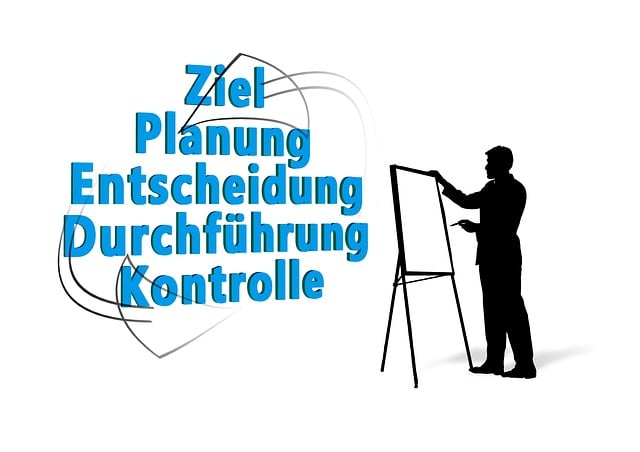
Lean management principles, rooted in manufacturing excellence, offer a powerful framework for streamlining workflows and enhancing overall workplace organization. At the heart of this philosophy lies the 5S methodology—a systematic approach that involves sorting, setting in order, shining (cleaning), standardizing, and sustaining. This method has been widely adopted across industries as a tool for continuous improvement and process optimization. For instance, a study by McKinsey & Company revealed that companies implementing lean practices consistently achieve higher operational efficiency, leading to significant cost reductions and improved productivity.
The 5S training program is a structured training module designed to educate employees about these principles. It begins with sorting, where unnecessary items are removed, followed by organizing physical spaces for easy access and visibility. Shining involves thorough cleaning and maintenance to create a safe, healthy environment. Standardization ensures that processes are consistently executed, and sustaining emphasizes the ongoing commitment to maintaining these improvements. A practical example could be seen in a manufacturing facility where 5S training resulted in a 20% reduction in changeover times for machinery, significantly increasing overall production efficiency.
Process standardization is a key outcome of this method. By documenting and refining workflows, organizations can eliminate waste, reduce errors, and enhance quality control. This natural evolution towards streamlined processes not only improves productivity but also fosters a culture of continuous improvement among employees. Regular 5S audits and ongoing training are crucial to maintain these gains over time. Companies like Toyota have successfully employed lean management principles for decades, demonstrating that systematic workflow improvement is not just a temporary fix but a sustainable competitive advantage.
Standardization: Creating a Culture of Continuous Improvement
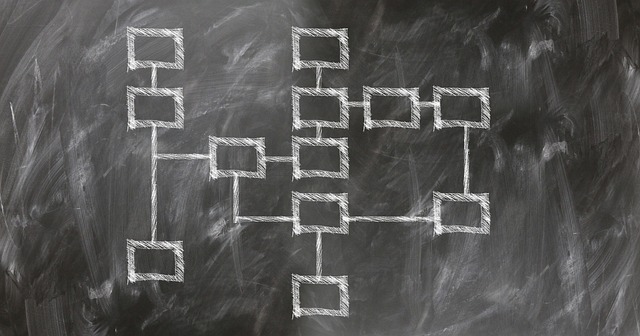
Standardization is a cornerstone of systematic workflow improvement, fostering a culture of continuous advancement. Organizations often turn to methodologies like 5S training and lean management to achieve this. The 5S framework—Sort, Set in Order, Shine, Standardize, Sustain—teaches workers to eliminate waste, streamline processes, and create a disciplined environment. Lean management, meanwhile, focuses on minimizing non-value-added activities. Integrating these practices results in workplace organization that’s both efficient and effective.
For instance, a manufacturing plant might use 5S to organize its floor space, ensuring each tool and part has a designated place. This reduces setup times and improves accessibility. Lean management techniques can then be applied to optimize the production line, eliminating bottlenecks and reducing waste. The combined effect is a significantly improved workflow that enhances productivity and quality. Regular audits and continuous improvement are key; teams should regularly reassess their processes, adhering to standardized procedures while adapting them as needed.
Implementing these strategies requires buy-in from all levels of an organization. Leaders must promote a mindset of continuous improvement, encouraging employees to participate in identifying inefficiencies and proposing solutions. Training sessions and workshops can educate staff on 5S and lean principles, empowering them to drive change. Data collection and analysis are crucial; tracking key performance indicators (KPIs) enables organizations to measure progress, identify areas for further optimization, and demonstrate the tangible benefits of standardized processes.
Ultimately, standardization isn’t a one-time effort but an ongoing commitment. By fostering a culture where continuous improvement is everyone’s responsibility, organizations can achieve remarkable efficiency gains, enhance customer satisfaction, and maintain a competitive edge in their industry.
Data-Driven Decisions: Measuring and Analyzing Performance

In the realm of systematic workflow improvement, data-driven decisions are a cornerstone of success. Organizations increasingly recognize the power of leveraging data to optimize processes, enhance efficiency, and drive continuous growth. 5S training and lean management principles, grounded in meticulous workplace organization (5S continuous improvement), offer a proven framework for achieving these goals through process standardization.
This approach involves systematically analyzing every step within a workflow, identifying waste, streamlining operations, and eliminating non-value-added activities. For instance, a manufacturing company employing 5S methodologies might measure the time taken to locate parts on the factory floor, identifying delays caused by disorganized storage. Data analysis reveals that optimizing part placement and implementing a digital inventory system reduces lead times by 15%. Similarly, service industries can track customer response times, average resolution duration, and first-call completion rates to pinpoint areas for improvement, ultimately enhancing customer satisfaction.
Measuring performance is only half the equation; analyzing the data is where true insights emerge. Advanced analytics tools enable organizations to identify trends, predict outcomes, and make informed decisions. For example, process mapping software visualizes workflows, highlighting bottlenecks and inefficiencies. By combining these insights with 5S training principles, businesses can implement targeted interventions, such as process reengineering or reskilling employees, to achieve significant improvements in productivity and quality. Regular data collection and analysis foster a culture of continuous improvement, ensuring organizations remain agile and competitive in an ever-evolving market.
Implementing Changes: Strategies for Long-Term Success
Implementing changes is a critical phase in systematic workflow improvement, serving as the bridge between strategic planning and tangible outcomes. Organizations often embrace strategies like 5S training and lean management to foster a culture of continuous enhancement. The 5S methodology—Sort, Set in Order, Shine, Standardize, Sustain—promotes workplace organization by eliminating clutter and establishing standardized processes. For instance, a manufacturing facility might apply these principles to streamline assembly lines, reducing downtime and enhancing efficiency. Lean management techniques, inspired by Toyota’s production system, focus on minimizing waste while maximizing productivity. By integrating 5S continuous improvement practices with lean principles, organizations can achieve remarkable results.
Long-term success demands strategic implementation. It’s not merely about introducing new systems; it’s about seamlessly integrating them into existing workflows. A structured approach, such as adhering to process standardization, ensures that improvements are sustained over time. For example, a retail store might implement 5S training to optimize inventory management. Well-defined processes for stocktaking and reordering replace ad hoc practices, leading to better inventory levels and reduced costs. However, success also hinges on employee buy-in. Training programs should empower workers to take ownership of improvement initiatives, fostering a culture where continuous learning becomes second nature.
Regular audits and data analysis play a pivotal role in sustaining progress. Organizations should track key performance indicators (KPIs) related to workflow efficiency and employee productivity after implementing changes. For instance, analyzing cycle times and defect rates can reveal areas for further optimization. Furthermore, engaging in periodic 5S assessments ensures that standards are maintained and new challenges are identified. By treating continuous improvement as an ongoing process rather than a one-time project, businesses can adapt to evolving market dynamics and stay ahead of the competition.
By integrating 5S training for workplace organization, adopting lean management principles, and embracing process standardization, organizations can achieve significant improvements in efficiency and productivity. These strategies, as highlighted in this article, form a robust framework for systematic workflow improvement. Implementing data-driven decision-making ensures that changes are informed by insights, leading to measurable gains. The key lies in fostering a culture of continuous 5S continuous improvement, where standardization becomes the natural outcome of streamlined processes. Readers now possess actionable insights, empowering them to transform their workplaces and drive long-term success.