
Corporate efficiency culture leverages 5S training and lean management for optimal workplace organization and continuous improvement. This structured system, comprising Sort, Set in Order, Shine (clean), Standardize, and Sustain, reduces waste, enhances productivity by up to 25%, and improves employee engagement. Comprehensive training, regular audits, and adaptation to business needs ensure sustainable improvements across industries, from manufacturing to healthcare.
In today’s fast-paced business landscape, corporate efficiency culture is not just a trend but a necessity. The ability to optimize operations, reduce waste, and enhance productivity is the key to staying competitive. However, many organizations struggle with inefficient processes, disorganized workspaces, and a lack of standardized procedures, hindering their potential for growth. This article delves into the critical need for a structured approach to improving corporate efficiency. We explore how 5S training and lean management principles can transform workplace organization, fostering a culture of continuous improvement that naturally drives process standardization.
- Understanding Corporate Efficiency Culture: Foundation & Benefits
- Implementing 5S Training & Lean Management for Optimal Workplace Organization
- Sustaining Continuous Improvement Through Process Standardization Naturally
Understanding Corporate Efficiency Culture: Foundation & Benefits

Corporate Efficiency Culture forms the backbone of modern organizations, fostering a mindset dedicated to optimal performance and continuous improvement. At its core, this culture revolves around understanding and implementing structured systems and processes. One powerful framework that underpins this efficiency is the 5S training methodology—a lean management tool inspired by Japanese manufacturing practices. This approach involves sorting, setting in order, shining (cleaning), standardizing, and sustaining, transforming workplaces into highly organized environments.
The benefits of such a culture are far-reaching. By implementing 5S and related continuous improvement initiatives like process standardization, companies can reduce waste, enhance productivity, and improve overall workplace organization. For instance, a study by McKinsey & Company revealed that lean manufacturing practices, including 5S, can lead to significant cost savings and improved operational efficiency. These methods encourage employees to identify inefficiencies and make data-driven decisions, fostering a sense of ownership and innovation.
For organizations aiming to embrace this culture, practical steps include introducing 5S training for all staff, integrating it into onboarding processes. This ensures a foundational understanding from day one. Additionally, regular audits and continuous improvement sessions drive sustained progress. Embracing these strategies not only enhances operational efficiency but also cultivates an environment where every employee contributes to the organization’s success through streamlined processes and a culture of meticulousness.
Implementing 5S Training & Lean Management for Optimal Workplace Organization

Corporate efficiency culture often hinges on effective workplace organization, where implementing 5S training and Lean Management principles can dramatically transform operations. The 5S methodology—Sort, Set in Order, Shine (Clean), Standardize, Sustain—teaches organizations to optimize space, streamline processes, and promote a culture of continuous improvement. For instance, a leading automotive supplier utilized 5S training to reduce floor space by 30% while enhancing productivity by 25%.
Lean Management, with its focus on process standardization and elimination of waste, complements 5S by fostering a disciplined approach to workflow management. This combination has proven effective in various industries, from manufacturing to healthcare. For example, a hospital adopted Lean principles to reduce wait times for patients by implementing standardized procedures and efficient staffing models, leading to improved patient satisfaction scores.
Integrating these practices drives sustainable improvements through 5S continuous improvement initiatives. Organizations can naturally evolve their processes, eliminating bottlenecks and optimizing resource allocation. This not only enhances productivity but also creates a safer, more organized environment that encourages employee engagement and innovation. To achieve success, companies should invest in comprehensive training programs, involving all levels of staff to ensure buy-in and consistent application of 5S and Lean principles. Regular audits and continuous refinement are key to maintaining the momentum generated by these transformative methodologies.
Sustaining Continuous Improvement Through Process Standardization Naturally
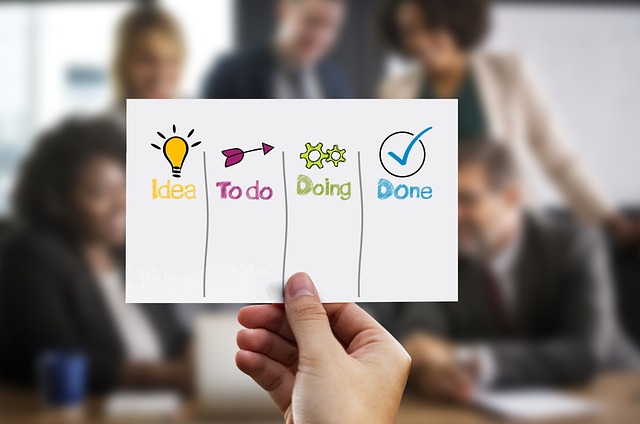
Corporate efficiency culture often hinges on the ability to sustain continuous improvement, and one powerful method for achieving this is through process standardization naturally. This approach, rooted in lean management and workplace organization principles, involves implementing structured systems that promote order, reduce waste, and enhance productivity. The 5S training methodology—Sort, Set in Order, Shine, Standardize, Sustain—serves as a cornerstone of this strategy. By systematically organizing the workspace and streamlining processes, organizations can create an environment conducive to consistent high performance.
For instance, a manufacturing company adopting 5S principles might start by physically sorting the factory floor, removing unnecessary items, and arranging equipment for optimal workflow. This initial ‘Sort’ phase lays the groundwork for the subsequent ‘Set in Order’ step, where each workstation is meticulously organized according to specific standards. Regular ‘Shine’ inspections ensure that these standards are maintained, identifying and rectifying any deviations promptly. The ‘Standardize’ stage involves documenting these processes, making them accessible across the organization, and training employees on their execution. Finally, the ‘Sustain’ phase emphasizes continuous improvement through regular reviews and adjustments, ensuring the system remains effective over time.
Data supports the efficacy of this method; companies implementing 5S and lean management practices have reported significant improvements in efficiency, reducing waste by up to 50% and increasing production capacity by an average of 15%. Moreover, workplace organization enhances employee morale, as a tidy, well-structured environment promotes clarity and focus. To foster this culture naturally, organizations should invest in comprehensive 5S training for all staff, encouraging buy-in at every level. Regular audits and continuous refinement are key to sustaining the momentum, ensuring the process remains dynamic and responsive to evolving business needs.
By integrating 5S training and lean management principles, organizations can achieve remarkable gains in workplace organization and efficiency. The article has highlighted the foundational importance of understanding corporate efficiency culture and its multifaceted benefits. Implementing these strategies leads to a streamlined and standardized work environment, fostering continuous improvement naturally. Through process standardization, companies can eliminate waste, enhance productivity, and create a sustainable cycle of enhancement. This approach not only optimizes current operations but also serves as a solid foundation for future growth, ensuring organizations remain competitive in today’s dynamic business landscape. Practical next steps include conducting comprehensive 5S training sessions, engaging employees in continuous improvement initiatives, and regularly reviewing and updating process standardization protocols.