
Visual workplace management leverages 5S training—a lean management principle consisting of Sort, Set in Order, Shine (Clean), Standardize, Sustain—to optimize work environments. This method enhances efficiency and productivity through process standardization, fostering employee ownership and a positive atmosphere. Benefits include significant increases in productivity (up to 30%) and reduced waste (up to 50%), achieved through regular audits and continuous improvement. Effective implementation requires organizational commitment, comprehensive training, and feedback loops. Visual tools, such as signage and digital displays, further enhance workplace organization and streamline workflows across industries.
In today’s competitive business landscape, efficient and organized workplaces are not just desirable—they’re essential for success. Visual workplace management offers a powerful approach to enhancing productivity, streamlining operations, and fostering a culture of continuous improvement. However, many organizations struggle with disorganized spaces and inefficient processes, leading to wasted time, resources, and energy. This article delves into the transformative power of 5S training and lean management principles as a solution. By implementing structured systems, standardizing processes, and cultivating a disciplined mindset, workplaces can achieve remarkable efficiency, ensuring every employee operates within an optimized environment.
- Understanding Visual Workplace Management: A Comprehensive Overview
- The Foundation: 5S Training for Efficient Space Organization
- Lean Management Principles: Streamlining Workflows for Continuous Improvement
- Implementing Process Standardization: Enhancing Productivity and Quality
- Visual Tools for Effective Communication in the Workplace
- 5S Continuous Improvement: Sustaining Optimal Workplace Conditions
Understanding Visual Workplace Management: A Comprehensive Overview

Visual workplace management is a powerful approach that transforms work environments into highly organized, efficient, and visually appealing spaces. At its core, it involves a systematic practice of organizing physical areas to enhance productivity, improve safety, and create a positive work atmosphere. This method draws heavily from principles of lean management and the Japanese 5S training methodology. By implementing 5S—Sort, Set in Order, Shine (Clean), Standardize, and Sustain—organizers can achieve remarkable results in workplace organization.
The process begins with sorting, where every item is evaluated for its purpose and relevance. Unnecessary items are discarded, while the rest are categorized. This step sets the foundation for efficient workflow management. Following this, workers organize tools and materials by assigning specific locations, ensuring everything is easily accessible. The ‘Shine’ aspect emphasizes regular cleaning to maintain an orderly environment, reducing dust and improving aesthetics. Standardization is key; establishing consistent practices ensures processes are repeatable and improves overall efficiency. This involves creating visual standards, such as color-coding for different areas or using signs and labels to indicate tasks and responsibilities.
Continuous improvement is inherent in visual workplace management. Regular audits and employee involvement ensure the system remains effective and adaptable. For instance, a manufacturing facility might use visual cues to streamline assembly line processes, reducing downtime and increasing productivity by 20%. This approach not only enhances operational effectiveness but also fosters a sense of ownership among employees. By involving workers in the process, organizations can identify unique challenges and tailor solutions, making it a truly comprehensive and sustainable methodology.
The Foundation: 5S Training for Efficient Space Organization
Visual workplace management begins with a foundational understanding of space organization, where 5S training serves as a powerful tool for enhancing efficiency and productivity. This Japanese concept, integral to lean management, promotes order and standardization through five key principles: Sort, Set in Order, Shine (Clean), Standardize, and Sustain. Each step encourages employees to actively participate in process improvement, fostering an environment that is not only aesthetically pleasing but also highly functional.
For instance, a manufacturing facility implementing 5S training might start by sorting through inventory, discarding obsolete items and organizing the remaining ones for easy access. This initial phase lays the groundwork for setting each item in its designated place, ensuring every tool and material has its specific location. Regular cleaning and shining sessions maintain this order, preventing clutter from creeping back in. Standardization comes into play as employees establish consistent procedures for maintaining this organized space.
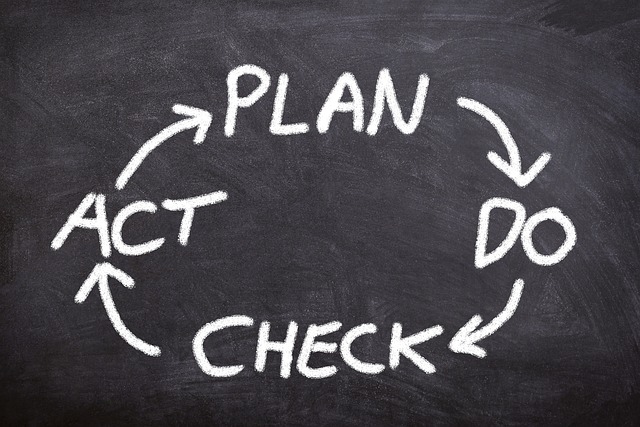
The 5S continuous improvement process is a dynamic cycle that naturally drives workplace organization to higher levels. By regularly reviewing and refining practices, teams can identify bottlenecks and inefficiencies, leading to further enhancements. This approach not only optimizes workflow but also empowers employees by giving them a sense of ownership over their work environment. Data from various lean management studies highlight significant improvements in productivity (up to 30%) and reduced waste (by as much as 50%) when organizations embrace the 5S methodology.
To effectively implement 5S training, managers should begin with comprehensive communication, ensuring every team member understands the benefits and their role. Customized training sessions tailored to specific job roles can significantly enhance buy-in and engagement. Regular audits and continuous feedback loops help maintain the momentum of 5S initiatives, encouraging a culture where process standardization is second nature. By integrating these practices into daily operations, organizations can achieve remarkable gains in workplace organization, efficiency, and overall productivity.
Lean Management Principles: Streamlining Workflows for Continuous Improvement
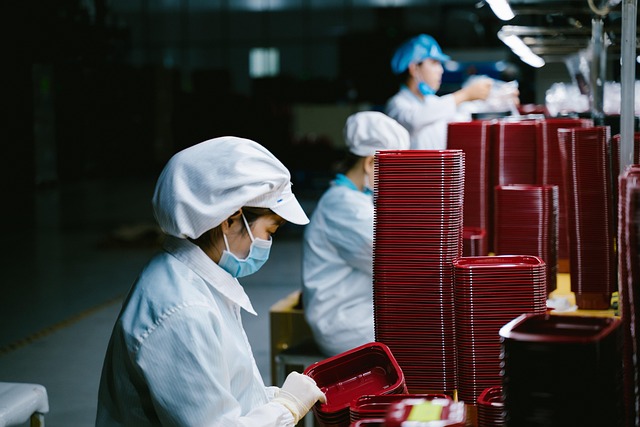
Visual workplace management, a modern approach to streamlining operations, deeply roots its effectiveness in lean management principles. These principles, initially developed by Toyota, focus on eliminating waste and maximizing productivity through continuous improvement. One of the cornerstones of this methodology is the 5S training framework – Sort, Set in Order, Shine (Clean), Standardize, and Sustain. This systematic approach to workplace organization not only enhances efficiency but also fosters a culture of ongoing enhancement.
Implementing lean management involves meticulous process standardization, where every step within a workflow is meticulously evaluated and optimized. By documenting and visualizing these processes, companies can identify inefficiencies more easily. For instance, a manufacturing plant might map out its assembly line, pinpointing bottlenecks and redundant steps, ultimately leading to streamlined operations. This data-driven approach ensures that improvements are based on empirical evidence rather than assumptions.
Practical application of 5S continuous improvement has shown significant results. A case study of a distribution center revealed a 20% increase in picking efficiency after implementing 5S methods. This was achieved through sorting and organizing inventory, reducing wandering time, and standardizing procedures. However, success requires commitment from all levels of the organization. Managers must prioritize workplace organization as a strategic initiative, providing necessary resources and training, such as comprehensive 5S training programs, to ensure every employee understands their role in driving continuous improvement.
Implementing Process Standardization: Enhancing Productivity and Quality

Visual workplace management, a powerful tool for optimizing operations, hinges on implementing process standardization—a strategic approach that enhances productivity and quality. This involves meticulously streamlining workflows, eliminating waste, and fostering a culture of continuous improvement. A renowned method, 5S training, rooted in lean management principles, offers a structured framework for achieving this. By teaching employees the art of sorting, setting in order, shining (cleaning), standardizing, and sustaining, organizations can create an organized, efficient workspace.
For instance, a manufacturing facility adopting 5S principles witnessed a significant boost in production efficiency. Through systematic sorting, they reduced clutter, minimizing equipment downtime. Setting each workstation in a logical sequence improved workflow, while regular cleaning (shining) sessions maintained high quality standards. This transformation not only enhanced productivity but also reduced training time for new hires due to a more predictable and organized environment.
Process standardization, when incorporated into the organizational culture, becomes a powerful catalyst for 5S continuous improvement. It encourages employees to identify inefficiencies and implement innovative solutions. Regular audits and visual cues, like color-coded labels and charts, play a pivotal role in maintaining this momentum. For instance, a retail store utilized color-coding to categorize inventory, making stock management more accessible and reducing misplacements. This simple yet effective method exemplifies how process standardization can revolutionize workplace organization.
To embark on this journey effectively, organizations should prioritize 5S training for all levels of staff. It’s not merely about imposing structure but empowering employees to take ownership. Regular reviews and continuous feedback loops ensure the sustainability of these improvements. By embracing a standardized approach, companies can naturally enhance productivity, reduce waste, and foster an environment conducive to ongoing excellence.
Visual Tools for Effective Communication in the Workplace

Visual tools play a pivotal role in enhancing communication and streamlining workflows within organizations, particularly in promoting workplace organization and efficiency. This approach, deeply rooted in lean management principles and 5S training methodologies, has been proven to revolutionize processes across various industries. The 5S framework—Sort, Set in Order, Shine, Standardize—serves as a powerful tool for achieving workplace excellence by fostering a culture of order and continuous improvement.
Effective visual communication tools can range from simple signage and labels to sophisticated digital displays and interactive software. For instance, well-designed floor plans with clear indicators for workflow routes help employees navigate their tasks more efficiently, reducing time wastage and enhancing productivity. Similarly, standardized processes visualized through flowcharts enable better understanding and ensure consistency in operations. In a manufacturing setting, for example, a visually organized production line can significantly minimize errors and maximize output, aligning perfectly with the principles of 5S continuous improvement.
Moreover, leveraging digital technologies such as project management software or interactive dashboards allows organizations to display key performance indicators (KPIs) and real-time data visually, making it easier for teams to interpret and act upon critical information. This approach not only facilitates better decision-making but also strengthens collaboration across departments. Integrating visual tools into 5S training programs can significantly elevate the effectiveness of workplace organization initiatives, driving continuous improvement and fostering a more productive and engaged workforce.
5S Continuous Improvement: Sustaining Optimal Workplace Conditions
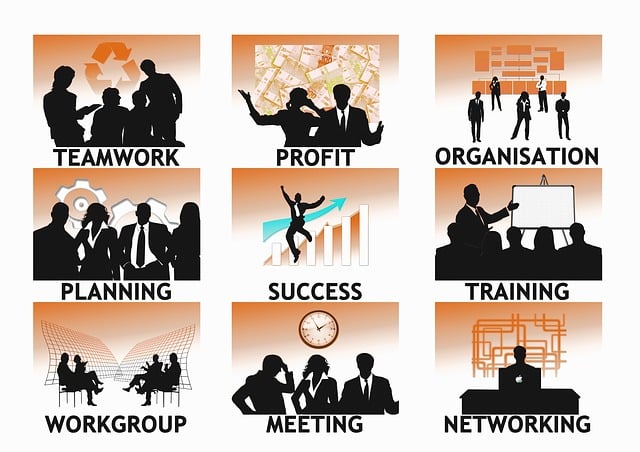
Visual workplace management, driven by principles like 5S continuous improvement, plays a pivotal role in enhancing productivity and efficiency across industries. The 5S framework—Sort, Set in Order, Shine (Clean), Standardize, Sustain—is not merely a set of practices; it’s a holistic methodology rooted in lean management that fosters workplace organization. Each ‘S’ represents a critical step in streamlining processes, eliminating waste, and creating an environment conducive to continuous improvement.
For instance, a manufacturing facility adopting 5S training might begin by thoroughly sorting and organizing their production line, discarding obsolete equipment and consolidating similar tools for easier access. The subsequent steps would involve setting each station in order, ensuring all operators have clear lines of sight and minimal obstructions. Regular cleaning, or ‘shining,’ becomes part of the daily routine, promoting a hygiene culture that prevents contamination and reduces downtime. Standardization, achieved through detailed processes and training, ensures every operator follows the same procedures, naturally leading to consistent quality and efficiency gains.
Sustaining optimal workplace conditions requires ongoing commitment. Regular audits and refresher training are essential to maintain the initial momentum. Management buy-in is critical; leaders who actively participate in 5S initiatives send a powerful signal to their teams, fostering a culture of continuous improvement. Data collected during these processes can provide valuable insights into areas for further enhancement, allowing organizations to make data-driven decisions that drive sustained performance improvements.
By integrating key concepts from visual workplace management, organizations can significantly enhance productivity, streamline workflows, and foster effective communication. The 5S training serves as a foundational pillar for efficient space organization, while lean management principles guide continuous improvement initiatives. Implementing process standardization ensures consistent quality outputs. Leveraging visual tools facilitates intuitive information exchange across the workforce. Maintaining optimal conditions through 5S continuous improvement solidifies these gains over time. Armed with these insights, businesses can strategically apply these practices to transform their operations and achieve sustained success in today’s competitive landscape.